Safety first
Stay safe.
Come home with the photo.
Waterfalls catch people out. Conditions change fast, surfaces are deceptive, and help can be hours away. Read these before you head out — they really do save lives.

Barriers exist for a reason
Stay behind railings
Stay behind railings
Railings and barriers are placed exactly where the ground is most unstable, the drop is most dangerous, or the rocks are most slippery. Don't lean over them. Don't step around them for a photo. No selfie is worth your life — and selfie deaths are tragically common at waterfalls worldwide.
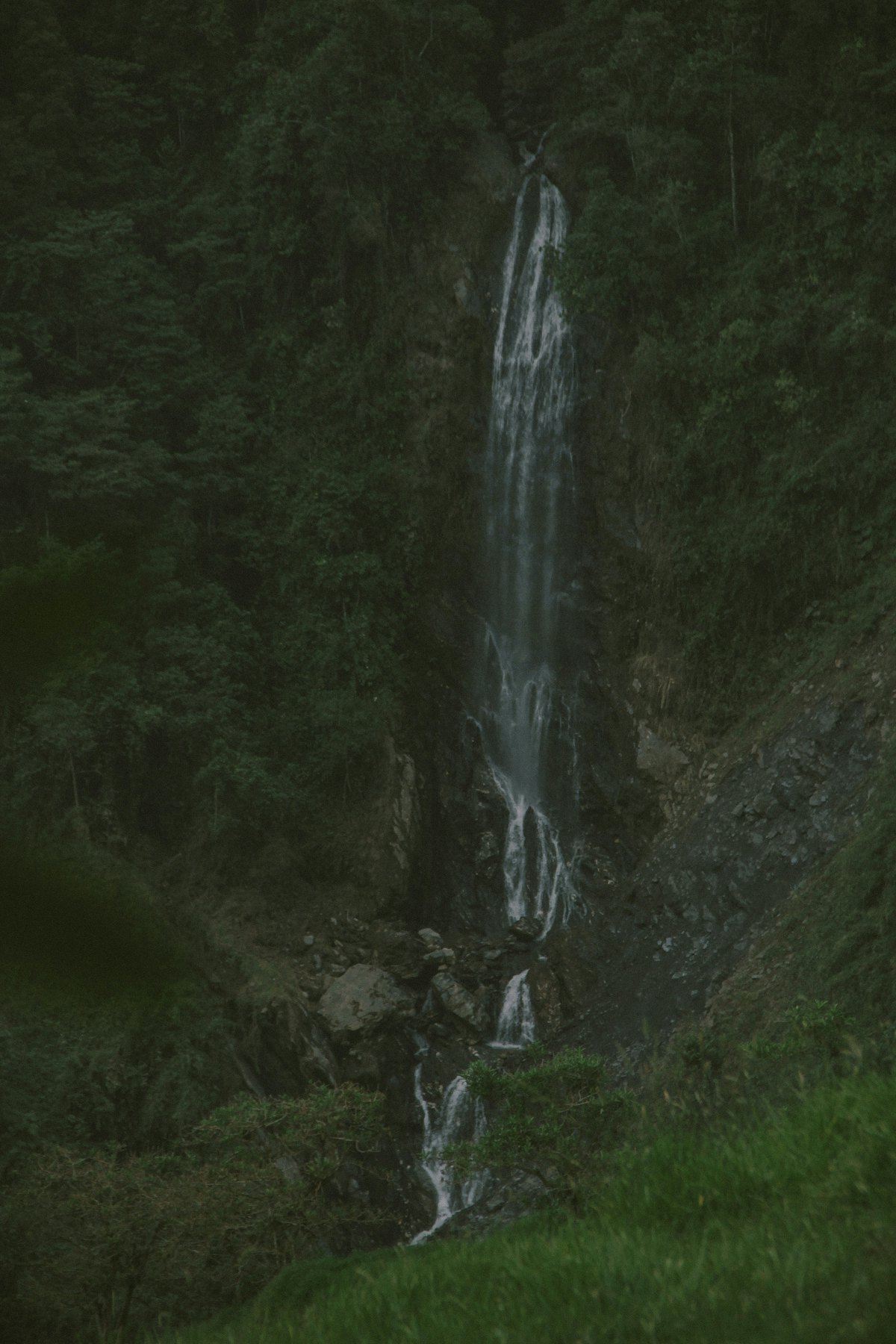
Most injuries start here
Watch for slippery rocks
Watch for slippery rocks
Wet rocks, moss-covered stones and loose gravel cause the majority of waterfall injuries — broken ankles, head impacts, fractured wrists. Wear sturdy closed-toe shoes with grippy soles. Stay on marked tracks. If a surface looks slick, assume it is, and back away.
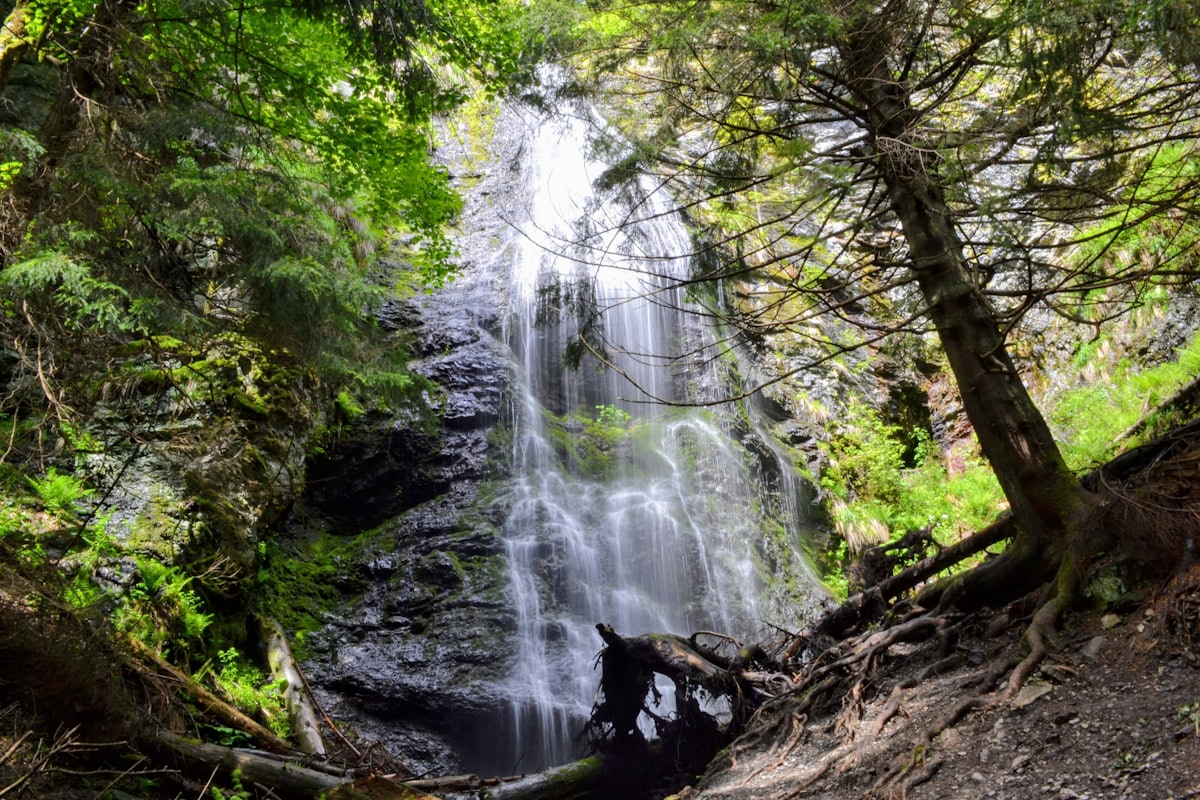
Hidden killers
Never swim under a waterfall
Never swim under a waterfall
The plunge pool beneath a fall hides falling debris, submerged ledges and powerful undertows. Strong swimmers are pulled under and held there every year. If you're going to swim, enter slowly and feet-first away from the cascade — never jump or dive.
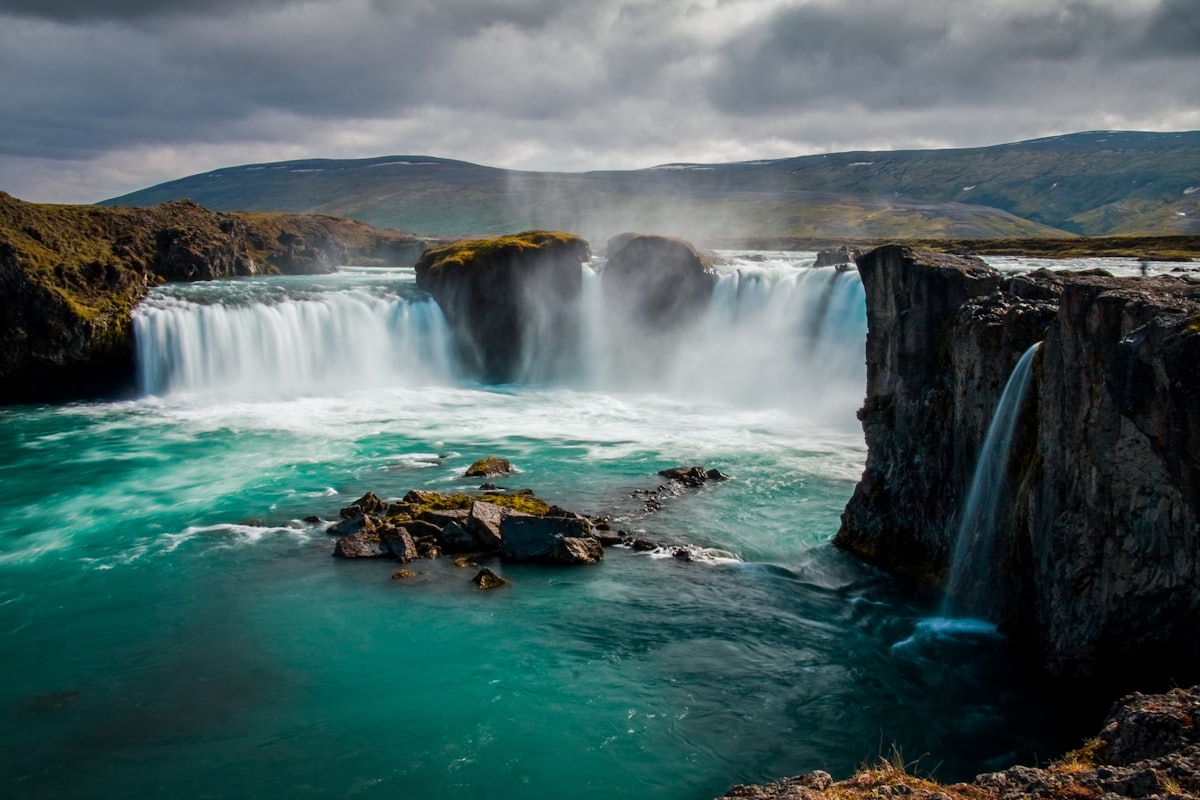
What you can't see
Beware hidden hazards
Beware hidden hazards
Submerged rocks, fallen branches and debris are invisible from the surface. Water temperatures can drop suddenly and trigger cold-water shock — even on warm days. During droughts, low flow can hide stagnant pools that look swimmable but aren't.
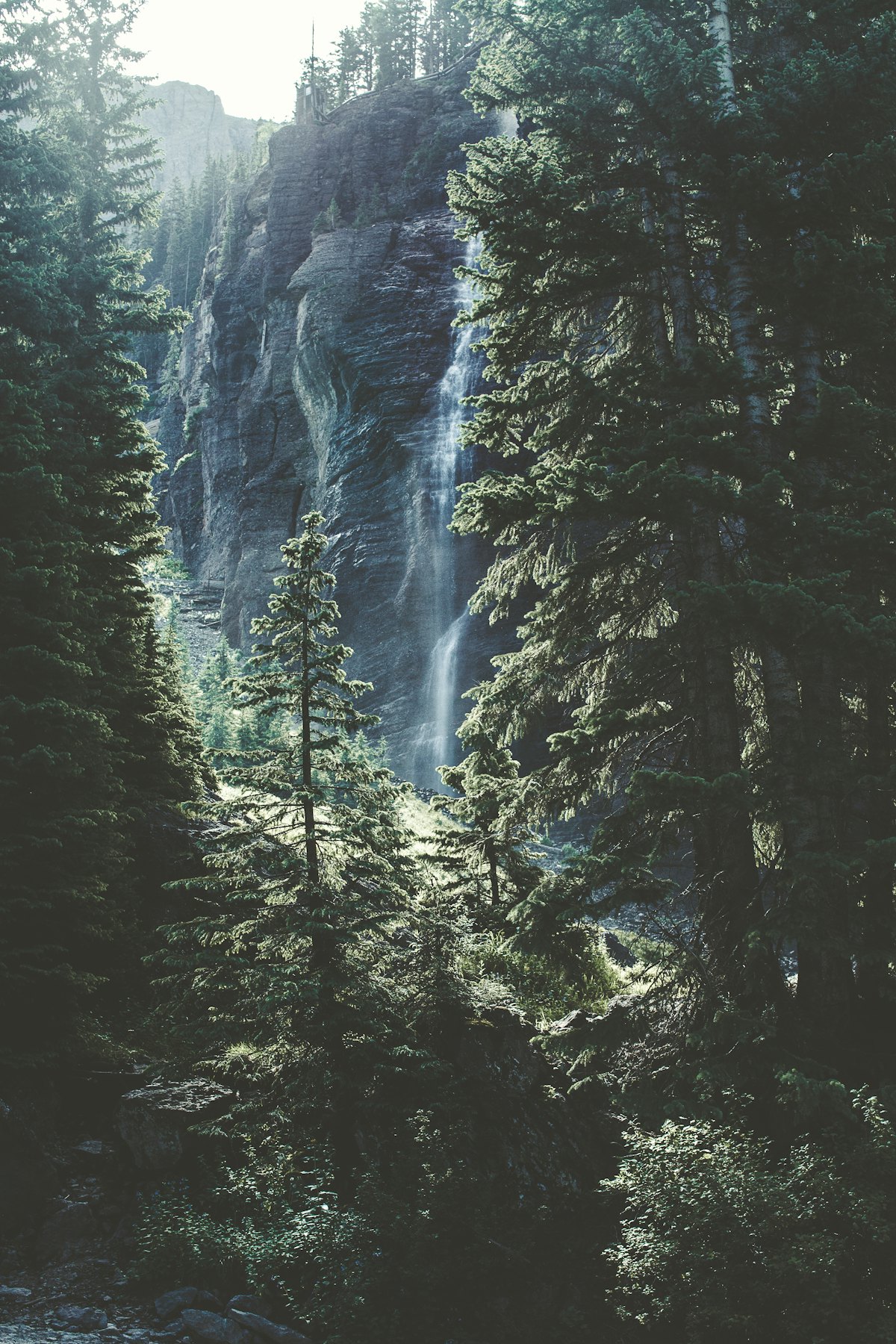
Conditions change fast
Mind the weather
Mind the weather
After heavy rain, currents become powerful within minutes. Crossings that were safe in the morning can become impassable by afternoon. Check the forecast and park alerts before you leave home. If conditions look marginal when you arrive, turn back — the waterfall will still be there next weekend.
Never go solo
Bring a buddy
Bring a buddy
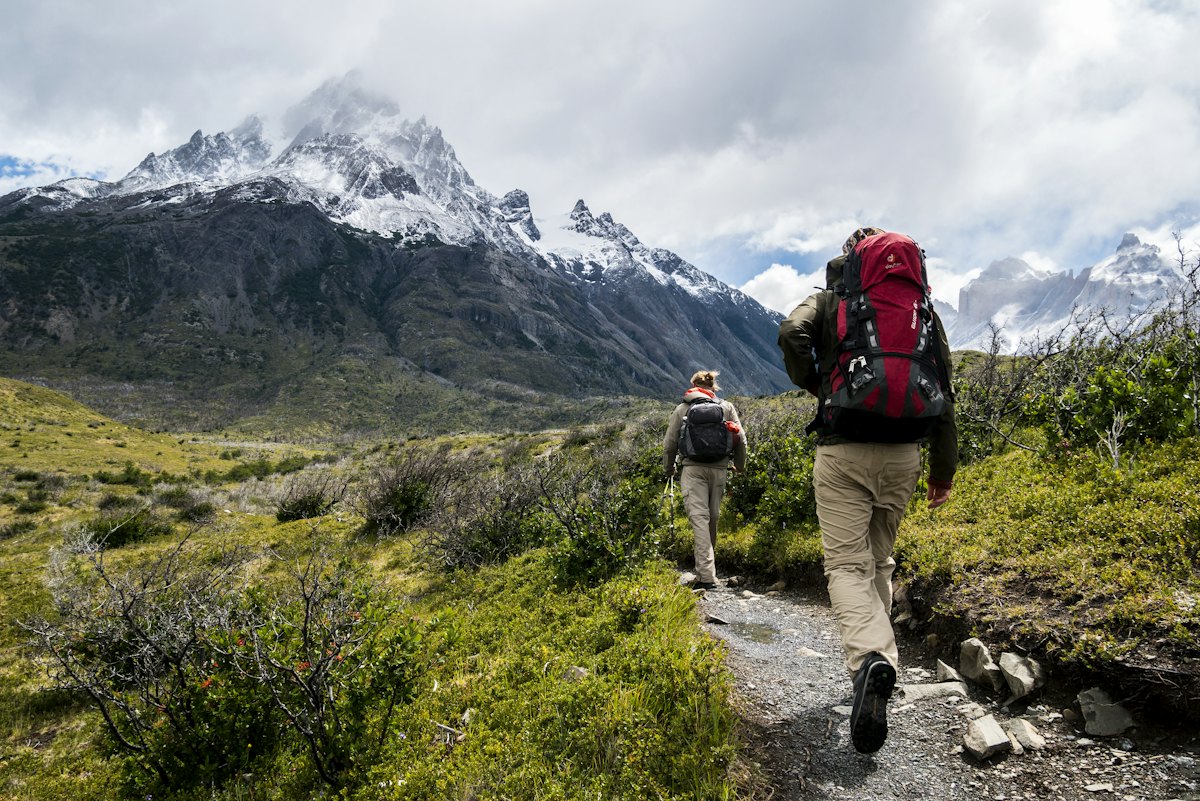
Never swim alone, even at popular waterfalls. Many sites are remote, with patchy phone reception and emergency response times measured in hours. Tell someone your plan, your route, and when you'll be back. Avoid alcohol — it impairs judgement and dramatically increases the risk of accidents in water.
Be self-sufficient
Pack like it matters
Pack like it matters
Bring enough drinking water — waterfall water isn't always safe to drink. Sun protection, insect repellent, a small first-aid kit, a charged phone with offline maps, and a whistle for genuinely remote sites. Light-coloured clothing makes leeches, ticks and march flies easier to spot.
Before every visit, check your local government or national park website for current alerts, closures and conditions. Always make your own assessment of risk on the day. If in doubt, don't proceed.