Athabasca Falls in Jasper National Park. Some places don’t need filters, and they don’t need many words either. Standing beside the waterfall, listening to the roaring sound of glacial meltwater rushing down, feeling the raw power of the river cutting through the canyon, you realize that no photo can truly capture that level of impact. What makes Jasper most unforgettable is never just the scenery, but the moment when you see it with your own eyes, hear it with your own ears, and feel it with your whole body.
Athabasca Falls
1 photo


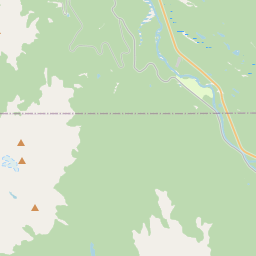


Leaflet © OpenStreetMap
24m
Waterfall height
Plan your visit to Athabasca Falls
Please verify on the official website before you go
Why is Athabasca Falls famous?
Athabasca Falls is famous for its dramatic power and volume rather than height, as the Athabasca River forces massive amounts of glacial meltwater through a narrow gorge, creating spectacular turbulence and erosion patterns in the quartzite and limestone bedrock. It is one of the most visited and photographed waterfalls in the Canadian Rockies.
Can you swim at Athabasca Falls?
No. Swimming is not permitted due to dangerous currents and cold glacial water. Please verify on the official website before you go.
Are dogs allowed at Athabasca Falls?
Dogs allowed on-leash on trails and viewpoints. Please verify on the official website before you go.
Is Athabasca Falls free? Do you need a permit?
Parks Canada pass required for Jasper National Park (daily or annual pass). Please verify on the official website before you go.
Is there parking at Athabasca Falls?
Large paved parking lot directly at the falls with ample capacity. Parking is free with valid Parks Canada pass. The viewing areas are immediately adjacent to the parking lot. Please verify on the official website before you go.
How long is the hike to Athabasca Falls?
Roadside attraction with no hike required. Multiple viewing platforms accessible within 50–200 meters via paved pathways from parking. Please verify on the official website before you go.
Athabasca Falls hike difficulty
Roadside (no hike). Paved, wheelchair-accessible pathways lead to multiple viewing platforms with minimal elevation change. Please verify on the official website before you go.
When is the best time to visit Athabasca Falls?
Late spring to early summer (May–July) for peak glacial melt and highest flow, or autumn (September–October) for fewer crowds and fall colors. Please verify on the official website before you go.
Route and trail notes for Athabasca Falls
From the parking lot, paved pathways lead to multiple viewing platforms. The upper viewpoint is immediately accessible. Lower platforms offer closer views of the falls and gorge. A footbridge crosses the Athabasca River downstream, connecting to additional viewpoints and a short loop trail system. All main platforms are paved and accessible.
Athabasca Falls official website
Attractions near Athabasca Falls
- •Sunwapta Falls - Another impressive waterfall 30 km south on the Icefields Parkway
- •Columbia Icefield & Athabasca Glacier - Massive glacier accessible 30 km south
- •Jasper townsite - Mountain town with dining, shopping, 30 km north
- •Mount Edith Cavell - Iconic peak with hiking trails and Angel Glacier viewpoint
- •Maligne Canyon - Deep limestone gorge with bridges and interpretive trails
Safety information
Waterfalls can be unforgiving. Read these before you go — and please, use your judgement on the day.
Full safety guide →Questions & answers
No questions yet — be the first to ask.