I'd seen the photos for years before I finally made it to Ban Gioc, the ones with the rainbow arcing across three tiers of falling water and rice paddies in the foreground. What those photos don't tell you is how much of the trip depends on timing, and how easy it is to end up standing in front of a completely different, much smaller waterfall if you get the season wrong. I got lucky and went in July. Here's everything I'd tell a friend before they book. Season Is Everything Here Go between May and September and you'll get the waterfall from the postcards. The rains fill the Quay Son River, all three tiers run at full volume, and on a clear morning the spray throws a rainbow across the whole scene. I was there in the June-to-August window and the water was genuinely loud, the kind of loud you feel in your chest standing on the viewing platform. June through August is when it peaks, so if photos are the whole point of your trip, that's your window. I've since seen what it looks like in the dry months, October through April, and it's a different place. The flow splits into thin strands instead of one wide curtain, there's no mist to speak of, and the rainbow basically doesn't happen. It's still a nice walk, but if I'd shown up in December expecting what I saw in July, I'd have been disappointed. Build the trip around the wet season if you can move your dates at all. What I Actually Paid I went in expecting this to be one of those places where foreigners quietly get charged more. It wasn't. The entrance ticket was 45,000 VND, somewhere around 2 USD, and kids under 1.2 metres go in free. Gates are technically open 7 AM to 5 PM, though nobody seemed too strict about it, we know people who've gotten in for sunrise shots without any hassle at the gate. The bamboo raft is the one thing I'd tell you not to skip. It's 50,000 VND, lasts about ten minutes, and the boatman punts you right out toward the middle of the river, close enough that you're getting sprayed and close enough to see the Chinese side of the falls in the same frame. That raft is where the actual postcard shot happens, not from the boardwalk. If you're on a scooter, there's a 10,000 VND parking fee, and bring cash for literally everything. I didn't see a single card reader the whole day. Getting There Took Longer Than I Expected This is the part I got wrong before I left, so I want to be straight about it. I'd read that the bus from Hanoi to Cao Bang takes four and a half to five hours. It doesn't. Ours took closer to seven, and that's apparently normal, not bad luck, the road climbs through mountains for most of the way and buses stop along the route. From Cao Bang city, it's still around two more hours to the falls themselves, so the "15 km, quick hop" version of this trip isn't real. Budget the better part of a day just for transport, in each direction. A few ways to do it, based on what I saw other travellers doing: VIP bus from My Dinh station in Hanoi, which is what we took. Figure 6 to 8 hours to Cao Bang city depending on traffic, then a local minibus or motorbike taxi on to the falls. Self-drive by motorbike, which some of the group did on the way back. It's mountain road most of the way, genuinely scenic, but not something to attempt casually in the rain. The surface gets slick fast in wet season. A packaged one or two-day tour from Hanoi, which handles the transfers and a guide. If I were doing this again with less time to spare, I'd probably book one of these instead of piecing the bus legs together myself. Either way, plan on overnighting in Cao Bang city rather than trying to do this as a day trip from Hanoi. Nobody I met had actually managed that. The Guangxi Side Is Possible, But Not for Everyone Yet I looked into crossing from the Guangxi side out of curiosity, since Detian Waterfall is the same waterfall seen from the Chinese bank. There is a joint tourism zone now that lets you see both sides in one trip, and it's a genuinely strange feeling watching people on the opposite riverbank taking the same photo you are. But it's currently restricted to Vietnamese and Chinese passport holders travelling in small tour groups, so if that's not you, this isn't a route you can just show up and use yet. Worth checking again if you're planning a trip further out, since these things tend to loosen up over time. How I Spent the Day We got to the gate around 7 AM, and that early start mattered more than almost anything else I did right. The light was soft, the crowds hadn't arrived, and we had the boardwalk viewpoint mostly to ourselves for the first half hour. From there we bought raft tickets and went out on the water around 9, which is when the rainbow actually showed up for us, mist plus morning sun plus being right in the spray zone. By late morning we'd wandered over to Khuoi Ky, a small stone-house village about a couple of kilometres from the falls, and had lunch nearby, freshwater fish from the river and a bowl of Cao Bang-style rice noodles that I'm still thinking about. We used the early afternoon for Nguom Ngao Cave, which is close enough to fold into the same day, and headed back out toward late afternoon when the falls catch a warm, low light that's worth staying for if your legs can take one more stop. Two Detours That Were Worth It Khuoi Ky Stone Village almost didn't make our itinerary and I'm glad it did. It's a small Tay ethnic minority settlement, maybe a dozen stone stilt houses, some genuinely over 400 years old, with stone floors and yin-yang tiled roofs. It's a quiet, slower kind of stop after the noise of the waterfall, and it sits directly on the road to the cave, so there's really no excuse to skip it. Nguom Ngao Cave is a limestone cave running well over two kilometres underground, lit through a series of stalactite chambers. After a morning of noise and spray, walking into somewhere cool and completely silent was a nice reset. The entrance fee is separate from Ban Gioc's, in a similar ballpark, and most people I met were doing both attractions in the same day. Would I Go Back Yes, but I'd change one thing: I'd give myself an extra day so the transport wasn't quite so rushed on both ends. Ban Gioc isn't a place you pass through on the way to somewhere else. It takes a full day of travel just to get there, which is probably exactly why it still feels like a place you found rather than a place you were sold. Go in the wet season, budget more time for the road than you think you need, and don't skip the raft.
Ban Gioc Falls
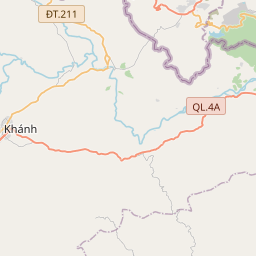


Waterfall height
Plan your visit to Ban Gioc Falls
Please verify on the official website before you go
Why is Ban Gioc Falls famous?
Ban Gioc (Detian) Falls is one of the largest transnational waterfalls in Asia, straddling the border between Vietnam and China, and is the fourth-largest waterfall along a national border worldwide. The falls are celebrated for their dramatic three-tiered cascade and picturesque setting surrounded by karst peaks and rice paddies.
Can you swim at Ban Gioc Falls?
Restricted — swimming is possible in designated areas near the base, but may be prohibited close to the falls or during high water. Please verify on the official website before you go.
Are dogs allowed at Ban Gioc Falls?
Unknown — please check the official website for the current pet policy at Ban Gioc–Detian Falls. Please verify on the official website before you go.
Is Ban Gioc Falls free? Do you need a permit?
Entrance fee required — typically 40,000-80,000 VND per person (prices subject to change). Foreign visitors may pay higher rates than Vietnamese nationals. Please verify on the official website before you go.
Is there parking at Ban Gioc Falls?
There is a parking area near the falls with paid entry (parking typically included in entrance fee). The walk from parking to the falls viewpoints is relatively short, under 500 meters. Please verify on the official website before you go.
How long is the hike to Ban Gioc Falls?
Minimal hiking required — approximately 200-400 meters (0.2-0.4 km) walk from the parking area to the main viewing platforms and base of the falls. Please verify on the official website before you go.
Ban Gioc Falls hike difficulty
Easy — paved or well-maintained pathways with minimal elevation gain, suitable for most visitors including families. Please verify on the official website before you go.
When is the best time to visit Ban Gioc Falls?
May to September during the rainy season for maximum water flow and most dramatic views, though the falls are impressive year-round. Avoid major Vietnamese holidays for smaller crowds. Please verify on the official website before you go.
Attractions near Ban Gioc Falls
- •Nguom Ngao Cave — stunning limestone cave system 3 km away with stalactites and stalagmites
- •Cao Bằng City — provincial capital 85 km south with markets and local cuisine
- •Pác Bó Cave — historic site where Ho Chi Minh lived in 1941, about 50 km away
- •Thang Hen Lake — scenic mountain lake system approximately 40 km from the falls
Safety information
Waterfalls can be unforgiving. Read these before you go — and please, use your judgement on the day.
Full safety guide →Questions & answers
No questions yet — be the first to ask.