You can do Kawasan Falls as a simple swim, park the car, walk five minutes, jump in the pool, done. Nobody would blame you. But if you do that, you're skipping the reason half of Cebu's tourism industry is built around this one stretch of river, because the actual experience, the canyoneering, starts 4 to 5 kilometres upstream and only ends at the falls once you've earned it. I went in thinking it would mostly be a scenic walk with a couple of jumps thrown in. What I got was three and a half hours of trekking, sliding, swimming through a cave, and standing on a rock trying to convince my legs to jump off it, with a guide behind me who had clearly seen a hundred people freeze in exactly the same spot. It's brilliant. It's also not what I expected. Here's everything I wish someone had told me before I went. Where It Starts and Why That Confuses People Most people say "Kawasan Falls" and mean the whole thing, but the falls themselves sit in Barangay Matutinao, in the municipality of Badian. The canyoneering route actually starts further upstream, near Barangay Compostela in the neighbouring town of Alegria, and follows the Kanlaob River, which locals also call the Matutinao River, all the way down to the falls. So you start in one town and finish in another, and the whole trip is still just called "Badian canyoneering." Don't overthink it. Book through any accredited operator in Matutinao and they'll sort the transport to the actual starting point for you. The First Jump Isn't Actually Optional Nobody warns you about this part clearly enough. Once you're kitted up in your life vest and helmet and you've trekked down into the gorge, there's a cliff, and the cliff is the only way in. No stairs, no path around it, no changing your mind at the last second. You jump, or you stand there while your guide waits patiently and everyone behind you starts wondering what's taking so long. Reported heights for that first jump vary a fair bit depending on the operator and the water level on the day, some travellers describe it as a modest few metres, others closer to five or six. Mine felt like the second one. My brain had about four seconds to process the decision before my legs just did it for me, which honestly might be the best way to handle it. The Rest of the Route Is Somehow Even More Fun Once you're in, the canyon takes over. You're trekking over boulders, wading through stretches of river, and sliding down a couple of natural rock chutes that the water has worn completely smooth, closer to a water park slide than anything you'd expect to find in the wild. At one point the route ducks through a short cave passage, swimming past stalactites in the dark before popping back out into daylight, which nobody had mentioned to me beforehand and which was genuinely one of the best surprises of the day. Guides tend to travel roughly one-to-one with guests, so there's always someone close by telling you exactly where to put your feet, which sounds unnecessary until you're standing on a wet rock realising you have no idea where to put your feet. The Higher Jumps Are Optional, Mostly After that first cliff, most of what follows is up to you. Guides will happily walk you around the taller jumps if you'd rather sit this one out, and plenty of people do. Across different reports, jump heights on the route run anywhere from about 1.5 metres up to roughly 12 to 14 metres at the highest points, with the tallest ones clustered near the final approach to the falls. Even those get closed off if the water underneath is running too shallow on the day, so what's "available" can genuinely change week to week. I did three of the smaller ones and chickened out of the tallest, no regrets. The guides don't push you either way, which I appreciated more than I expected to. What It Costs and What's Included The standard rate, set by the local government, sits around ₱2,100 per person. That covers your guide, entrance and registration fees, motorbike transport to the starting point, a meal, and use of a life vest, helmet and river shoes. If you want a bird's-eye view of the canyon before you're swimming through it, some operators offer an add-on zipline for an extra fee on top. A lot of travellers combine the morning with Moalboal, snorkelling the sardine run and looking for turtles, before heading to Badian for the canyoneering in the afternoon. It's a genuinely full day, and the contrast between calm snorkelling and full-body canyon scrambling is part of what makes it work. Shoes Matter More Than Anyone Tells You Every single guide I spoke to said some version of the same thing: your shoes will make or break the day. You're on sharp, wet rock for hours, so you need closed-toe shoes or sturdy sandals with a proper heel strap, thongs and loose sandals genuinely won't survive it. Rental shoes are available on site if you forget, but the soles are thin, and my feet were sore by the halfway point because of it. If you own real water shoes, bring them from home. Pack a change of clothes, a towel, sunscreen, and swimwear too, since you'll be soaked from the first jump onward, whether you plan on it or not. Protect Your Phone Before You Regret It Guides are used to tourists trying to film everything, and most will happily tie an empty water bottle to your camera as a makeshift floater if you forget one. Still, a proper waterproof pouch is worth packing, because it can get thrown around during the jumps if it's not fastened well. If you want photos of yourself mid-jump rather than a shaky phone in your own hand, hand it to your guide before you go, most are happy to take a few shots along the way. The One Day a Month You Can't Go Kawasan Canyoneering is closed on the third Wednesday of every month for river clean-up, and it's an easy thing to miss when you're building a tight itinerary around one specific day. Heavy rain can also force short, unplanned closures if the current picks up, the local government shut the site for a day after a rockfall in October 2025 injured a guide, and it's reopened before after storm-driven closures too. None of this is common, but if your trip only allows one shot at it, build in a spare day if you can. Who Should Sit This One Out This isn't a gentle waterfall walk, it's genuinely physical: trekking, climbing, swimming against some current, and jumping from height. It's generally not recommended for pregnant travellers or anyone with a serious heart or back condition. Life vests and helmets are standard gear from every accredited operator, and it's worth sticking close to your guide rather than wandering off to find your own route through the canyon. Is Kawasan Canyoneering Worth It? Completely. For the price, you get a proper adventure, hours of trekking, sliding, swimming and jumping, that most theme parks would charge you far more for and deliver far less. It's not relaxing, and it's not for anyone who wants a quiet nature walk. But if the idea of jumping off a rock into a jungle river sounds like a good afternoon, this delivers exactly that, right up until you're floating in the pool at the base of Kawasan Falls wondering where the last few hours went. What to Pack Closed-toe water shoes or sturdy sandals with a heel strap, not thongs A full change of clothes and a towel Swimwear, you'll be wet from the first jump Sunscreen A proper waterproof pouch for your phone, fastened securely before any jump The Practical Details Location: starts near Barangay Compostela, Alegria, and finishes at Kawasan Falls, Barangay Matutinao, Badian, Cebu River: Kanlaob River, also known as the Matutinao River Duration: roughly 3 to 5 hours for the canyoneering route itself; 9 to 12 hours for a full-day package with pickup and other stops Price: around ₱2,100 per person, including guide, fees, transport, a meal, and gear rental Closed: third Wednesday of every month for river clean-up, plus occasional short closures after heavy rain Swimming: yes, throughout the route and in the natural pool at the base of the falls Quick Answers How much does Kawasan Canyoneering cost? The standard rate is around ₱2,100 per person, which typically includes your guide, entrance fees, transport to the starting point, a meal, and use of a life vest, helmet and river shoes. Is the first jump at Kawasan Canyoneering optional? No. The first jump is usually the only way into the canyon, so it's mandatory. Most of the jumps after that are optional, and guides will walk you around the taller ones if you'd rather not. Why is Kawasan Canyoneering sometimes closed? The site closes on the third Wednesday of every month for scheduled river clean-up. It can also close temporarily after heavy rain or safety incidents, such as a rockfall in October 2025. How long does Kawasan Canyoneering take? The canyon route itself takes roughly 3 to 5 hours. A full-day package that includes hotel pickup, another activity beforehand, and meals can run 9 to 12 hours. Is Kawasan Canyoneering safe for beginners? It's beginner-friendly in the sense that no technical skills are required and guides travel closely with each group, but it's still physically demanding, involving swimming, climbing and jumping, so a reasonable level of fitness and comfort in water helps.
Canyoneering Kawasan Falls
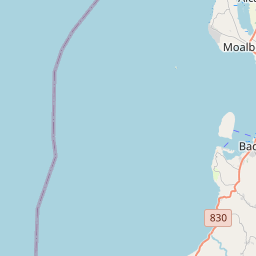
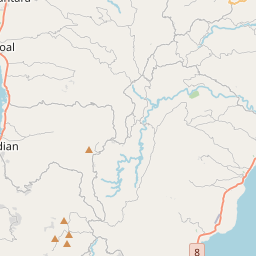
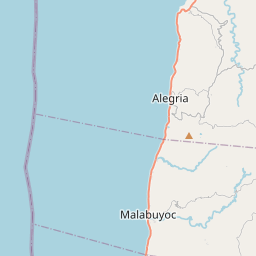


Waterfall height
Plan your visit to Canyoneering Kawasan Falls
Please verify on the official website before you go
Why is Canyoneering Kawasan Falls famous?
Kawasan Falls is famous for its spectacular turquoise-blue waters and as one of the Philippines' premier canyoneering destinations, where adventurers trek, swim, and jump through a stunning limestone canyon system before reaching the three-tiered waterfall. The combination of natural beauty and adventure activities has made it a top attraction in Cebu.
Can you swim at Canyoneering Kawasan Falls?
Yes, swimming is a central activity at Kawasan Falls, with natural pools beneath the main waterfall and throughout the canyon. Please verify on the official website before you go.
Are dogs allowed at Canyoneering Kawasan Falls?
Unknown — please check the official website. Pet policies are not clearly documented for Kawasan Falls and may vary by tour operator. Please verify on the official website before you go.
Is Canyoneering Kawasan Falls free? Do you need a permit?
Entry fee of approximately 20-45 PHP applies at Kawasan Falls. Canyoneering packages with guides (mandatory for canyoneering) cost 1,000-1,500 PHP or more per person. Please verify on the official website before you go.
Is there parking at Canyoneering Kawasan Falls?
Parking is available near the Kawasan Falls entrance in Badian, typically with attendant fees (around 20-50 PHP). From parking, it's a short walk to the registration area and falls entrance. Please verify on the official website before you go.
How long is the hike to Canyoneering Kawasan Falls?
From the main entrance/parking area, it's approximately 1-2 km walk along a paved path to reach the main Kawasan Falls. Canyoneering routes start upstream and involve 3-4 hours of trekking and swimming. Please verify on the official website before you go.
Canyoneering Kawasan Falls hike difficulty
Moderate to Hard — the standard walk to the falls is Easy on paved paths, but canyoneering involves cliff jumping, swimming through canyons, scrambling over rocks, and rappelling. Please verify on the official website before you go.
When is the best time to visit Canyoneering Kawasan Falls?
December to May (dry season) for optimal water clarity and safer canyoneering conditions, avoiding heavy monsoon rains June–November. Please verify on the official website before you go.
Attractions near Canyoneering Kawasan Falls
- •Moalboal — coastal town 20 km away famous for sardine run diving and Pescador Island
- •Tumalog Falls — ethereal misty waterfall near Oslob, about 50 km south
- •Osmeña Peak — highest point in Cebu with jagged limestone formations, ~30 km away
- •Badian Island Wellness Resort — luxury island resort near Badian town
- •Aguinid Falls — multi-tiered climbing waterfall in Samboan, south of Kawasan
Safety information
Waterfalls can be unforgiving. Read these before you go — and please, use your judgement on the day.
Full safety guide →Questions & answers
No questions yet — be the first to ask.