Finally checked off one of the most expensive backpacking destinations in the US! Havasu Falls feels like a giant natural water park built in the middle of the desert. You can walk behind some of the waterfalls and even swim beneath them. On the way to Beaver Falls, there are three river crossings. The first one is fairly deep, so you may need to hold your backpack above your head to keep it dry. The other crossings are shallow. There are also a few sections that require some climbing, which makes the whole experience even more fun. Do you need a sleeping bag? Arizona summers are incredibly hot, but Havasu Falls has so much water that even though the forecast was over 30°C during the day, it didn't feel too bad. Everyone in our group only brought a sleeping liner. Personally, I still felt cold at night and ended up covering myself with extra clothes. Some friends thought a liner alone was enough. Do you need bug spray? Not really. There are some bugs, but they weren't too bad. It's nothing like some of the alpine lakes in California where mosquitoes can be unbearable. Definitely bring water shoes You'll be walking through water at Fifty Foot Falls and Beaver Falls. A pair of shoes that work both in water and on trails makes a huge difference. Protect your food, or the squirrels will eat everything The official website recommends bringing a bear canister. We reluctantly carried one, but on our last night we forgot to put our snacks inside. The next morning, all the food was gone, and we had to start hiking back on an empty stomach. It was miserable. Earlier in the trip, we left some snacks in a backpack because they wouldn't fit in the bear can, and the squirrels chewed a huge hole in the pack. If you're feeling lucky, you can skip carrying fuel Near the entrance to the campground, there were piles of partially used gas canisters left behind by previous hikers. We donated ours when leaving to save some weight. Bring extra water and start early on the hike out The trail is U-shaped. On the way in, it's mostly downhill, somewhat similar to Rim-to-Rim in the Grand Canyon. Even though temperatures are high, the towering canyon walls provide shade from time to time, which can make you underestimate the heat. On the way in, I only drank a little over 1 liter of water. For the hike out, I carried 2.5 liters. By the last mile, my bottles were empty. The higher you climb, the more exposed you become, with almost no shade. My head felt like it was being cooked by the sun. Havasupai Café isn't open every day The café is located in the village, about two miles from the campground. They accept credit cards. You can grab a Pepsi and order a Havasu Burger. There are flushing toilets, Wi-Fi, and air conditioning. It honestly feels like heaven after spending time in the canyon. Cell service is surprisingly good AT&T reception in Havasu Village is excellent. Havasu Falls is the last place where you'll still have a signal. My phone usually had about two bars. Havasu Falls was one of those trips that felt completely different from anywhere else. The turquoise water, waterfalls, river crossings, and red canyon walls made it feel almost unreal. Expensive, yes—but definitely one of the most unique backpacking experiences we've ever had.
Havasu Falls




Waterfall height
Plan your visit to Havasu Falls
Please verify on the official website before you go
Why is Havasu Falls famous?
Havasu Falls is famous for its stunning blue-green travertine pools and waterfall on the Havasupai Indian Reservation, considered one of the most beautiful and remote waterfalls in the United States. The vibrant turquoise color comes from high calcium carbonate and magnesium content in the water, and the falls are sacred to the Havasupai Tribe who have lived in the canyon for over 800 years.
Can you swim at Havasu Falls?
Yes, swimming is allowed and highly popular in the turquoise pools below the falls. Please verify on the official website before you go.
Are dogs allowed at Havasu Falls?
Dogs and pets are not allowed on the trail or in Supai Village. Please verify on the official website before you go.
Is Havasu Falls free? Do you need a permit?
Permit required — reservation and substantial fee (typically $100–$150+ per person per night) mandatory for all visitors; camping reservations fill up months in advance. Day hiking is not permitted. Please verify on the official website before you go.
Is there parking at Havasu Falls?
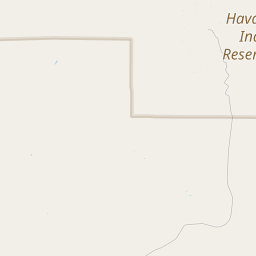
Parking is at Hualapai Hilltop trailhead, approximately 100 km by road from the falls. Parking is free but limited. A reservation and permit are required before hiking. Please verify on the official website before you go.
How long is the hike to Havasu Falls?
About 16 km / 10 miles one-way from Hualapai Hilltop trailhead to Havasu Falls (32 km / 20 miles return), passing through Supai Village. Please verify on the official website before you go.
Havasu Falls hike difficulty
Moderate to Hard — long distance with significant elevation loss/gain (610 meters descent), mostly exposed desert terrain with no shade, loose rock sections, and challenging return climb. Please verify on the official website before you go.
When is the best time to visit Havasu Falls?
Spring (March–May) and fall (September–November) offer moderate temperatures for the desert canyon hike, though the falls flow year-round. Summer is extremely hot. Please verify on the official website before you go.
Route and trail notes for Havasu Falls
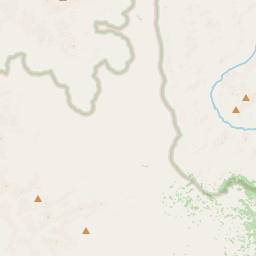
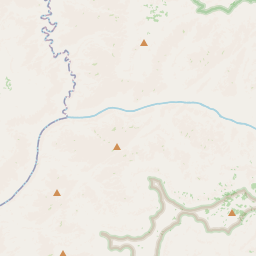
From Hualapai Hilltop, descend switchbacks then follow Havasu Canyon wash downstream approximately 13 km to Supai Village. Check in at the tourist office, then continue 3 km through the village and campground area. Havasu Falls is visible and accessible from the main trail. Swimming is in the pools below the falls. Pack all water and supplies; the hike is hot and exposed.
Havasu Falls official website
Attractions near Havasu Falls
- •Mooney Falls — 60-meter waterfall requiring chain/ladder descent, 1.6 km downstream from Havasu Falls
- •Beaver Falls — Series of cascades accessible by stream hiking beyond Mooney Falls
- •Supai Village — Remote Havasupai tribal village, only accessible by foot, horse, or helicopter
- •Grand Canyon South Rim — Approximately 100 km northeast, accessible via Hualapai Hilltop and Route 66
- •Navajo Falls — Upper waterfall system near the campground entrance, before Havasu Falls
Safety information
Waterfalls can be unforgiving. Read these before you go — and please, use your judgement on the day.
Full safety guide →Questions & answers
No questions yet — be the first to ask.