Kawazu Nanadaru was the "if we have time" line on our Izu itinerary, wedged between coastline and onsen towns that felt like the actual plan. We had time because a train connection fell through, not because anyone had pushed for it, and I went in expecting a nice enough walk through some trees. Half a day later it was the thing I kept bringing up for the rest of the trip, which is not what I expected to be writing about a set of waterfalls I'd almost cut. Somewhere in the middle of the trail there's a small statue of a young woman, and I didn't clock what it was until I read a sign further down. This whole valley is the setting for The Izu Dancer, the Kawabata Yasunari novella that helped make him Japan's first Nobel laureate in literature. Nobody makes a big deal of it on the trail itself, no plaques shouting about it, just the statue and a river that's apparently been famous in Japanese literature for about a century, quietly getting on with being a river. The water I've seen a lot of rivers described as clear that were, generously, greenish and a bit murky. The Kawazu River is actually clear, this pale turquoise you can see straight through, running over rock that steps down in these visible, almost deliberate-looking layers rather than just tumbling around. I found out afterwards that the whole gorge was cut by lava from an eruption something like 25,000 years ago, back when the Izu Peninsula was still fairly fresh, geologically speaking, and the rock underneath the water is essentially old lava that's been worn into shape ever since. Nobody needs to know that standing there. It doesn't make the water look any different. But it explains the structure of the riverbed in a way I found genuinely satisfying once I knew it. What I did notice at the time was the light. Midmorning, thick canopy, sun coming through in these small broken patches that landed on the water and moved around as the breeze shifted the leaves. I stood in one spot for probably four or five minutes just watching that happen, which is not something I usually do on a walk with a schedule attached to it. Not much of a walk, honestly The trail is short, around 850 metres one way, and easy. Packed dirt, some boardwalk, wooden steps with handrails where it gets steep near a couple of the falls. Trainers were fine. A woman ahead of us was doing it in sandals with a toddler strapped to her front, which tells you most of what you need to know about the difficulty level. Doing all seven falls at a proper stop-and-look pace took us close to an hour, and we weren't rushing. That's really the appeal of the whole thing. You don't need to give up a full day to do it justice. Odaru Six of the seven falls are small and pleasant enough that you take a photo and move on. Odaru is different. It's the tallest, 30 metres, and the drop throws spray far enough out that you feel it on the path before you round the corner and see the falls properly. It was the middle of summer and this was the only point all day I was actually cold, in a good way, standing in that mist with the roar of the water loud enough that we stopped talking for a minute without really deciding to. There's a whole thing in Japan about waterfall mist carrying negative ions that are supposedly good for you. I heard it mentioned near Odaru and again later at the onsen. I have no idea if that's real science or just something that's become part of the culture around these places, and I'd rather say that plainly than pretend I checked. What I can say is the temperature drop was real and after a sticky Izu afternoon that was reason enough. Kamadaru, smaller and earlier on the trail, has a viewing platform close enough to get misted on too, which turned out to be a decent preview for what Odaru does properly. Before you go Walking the trail costs nothing, which surprised me a bit given how well known the place seems to be locally. It's listed as part of the Izu Peninsula UNESCO Global Geopark and got added to the Michelin Green Guide Japan a few years back, so this isn't some undiscovered spot, just one that gets skipped a lot on shorter trips. Buses run from Kawazu Station to two stops, one near the base by Nanadaru Onsen and one further up near Mizudare, past a strange spiral bridge that loops up the hillside in two tiers. We walked downhill toward the onsen end, which I'd do again. Finishing a warm, humid walk by sitting in hot water shouldn't work but it does. Go early if you can manage it. It wasn't busy when we were there mid-morning, but a few tour groups doing Izu as a day trip from Tokyo were arriving as we were leaving, and the light through the trees is better before midday anyway. We nearly didn't go. I'd tell anyone building an Izu trip not to make that mistake. It's not the biggest waterfall you'll ever stand in front of, but it might be the one that actually does what a waterfall trip is supposed to do, which is make you stop for a while.
Kawazu Seven Waterfalls
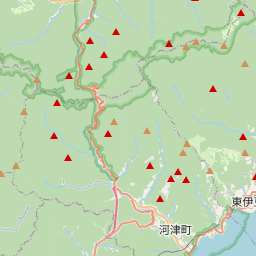
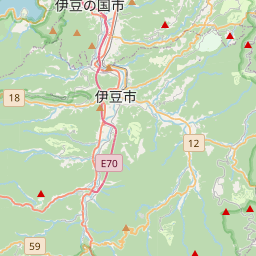
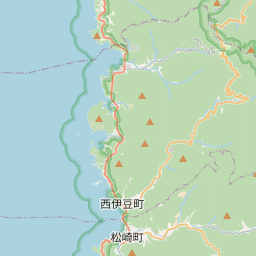



Waterfall height
Plan your visit to Kawazu Seven Waterfalls
Please verify on the official website before you go
Why is Kawazu Seven Waterfalls famous?
Kawazu Nanadaru (Seven Waterfalls) is famous for being a scenic collection of seven named waterfalls along a single walking loop, each with unique character. The area is also celebrated for the Kawazu Cherry trees that bloom early (February–March) along the trail, attracting thousands of visitors during the annual cherry blossom festival.
Can you swim at Kawazu Seven Waterfalls?
No — swimming not permitted at the waterfalls. This is a walking trail for viewing waterfalls only. Please verify on the official website before you go.
Are dogs allowed at Kawazu Seven Waterfalls?
Dogs allowed on-leash on the trail. Please verify on the official website before you go.
Is Kawazu Seven Waterfalls free? Do you need a permit?
Free — no entrance fee or permit required to access the trail and waterfalls. Please verify on the official website before you go.
Is there parking at Kawazu Seven Waterfalls?
Free parking is available near the trailhead and at various points along the loop trail. Parking can fill quickly during cherry blossom season and weekends. Please verify on the official website before you go.
How long is the hike to Kawazu Seven Waterfalls?
About 2 km / 1.2 mi loop trail connecting all seven waterfalls along the Kawazu River. The full loop takes approximately 1–1.5 hours at a leisurely pace. Please verify on the official website before you go.
Kawazu Seven Waterfalls hike difficulty
Easy to Moderate — well-maintained paved and stone pathways with some stairs and gentle inclines between waterfalls. Suitable for most fitness levels. Please verify on the official website before you go.
When is the best time to visit Kawazu Seven Waterfalls?
Spring (March–May) for cherry blossoms along the trail and pleasant temperatures, or autumn (October–November) for fall foliage. Flow is generally consistent year-round. Please verify on the official website before you go.
Route and trail notes for Kawazu Seven Waterfalls
The loop trail follows the Kawazu River upstream and can be walked in either direction. The seven waterfalls are connected by well-marked pathways with stone steps and bridges. Each waterfall has viewing platforms and informational signs. The trail passes through forested areas with occasional shrines and rest areas.
Kawazu Seven Waterfalls official website
Attractions near Kawazu Seven Waterfalls
- •Kawazu Cherry Blossom Festival — famous early-blooming sakura along the river (February–March)
- •Joren Waterfall — one of the seven falls, the tallest and most famous at 25 meters
- •Kawazu Bagatelle Park — French-style rose garden with seasonal blooms
- •Imaihama Beach — coastal beach area about 15 minutes drive from the waterfalls
- •Amagi Mountains — scenic mountain range and hiking area accessible from Kawazu
Safety information
Waterfalls can be unforgiving. Read these before you go — and please, use your judgement on the day.
Full safety guide →Questions & answers
No questions yet — be the first to ask.