Niru village is a three-hour drive from Shangri-La, and nearly all of it is mountain road. I’m not exaggerating when I say it’s a bit of a lost corner. I’d say don’t try it unless you’re confident behind the wheel. On the way in I saw two cars already down in the ditch, getting towed out. The rainy season isn’t a good time either, a lot of the road has rockfall. It was a long way to go for a waterfall, and I’d read about it in a museum first. I’d gone into one in Yunnan to learn about the Three Parallel Rivers world heritage area, saw a photo of this waterfall, and couldn’t stop thinking about it. So the drive in, and the six kilometres on foot, felt earned. Entry is free, but you have to register for fire safety at the start, and for the hike too, so that someone knows if you go missing. We did the round trip from the village, around ten kilometres. I took it slowly and stopped for photos and still finished in about three hours, though plenty of people say four to five. Some of the boardwalk has taken a battering and a few sections are broken, so you step carefully. The path follows the river most of the way, and in places the boardwalk is built right over fast white water. If you don’t like rushing water, the walk out is nerve-wracking. I felt my stomach drop a few times looking down at it. Everything is covered in moss. Rocks, trunks, banks, all of it. If you like green, you’ll struggle to look away. It’s cool in the canyon too, and the path itself is easy going. Partway along there’s a seven-tier waterfall, which I didn’t expect and which is rare enough to be worth stopping for. And then you reach the main one. I tried a lot of angles and my camera couldn’t do it. It’s a wide tufa terrace, dozens of separate streams fanning out across the cliff and falling down it like loose silk, with big old trees all around and mist rising off the water. Little streams run out of the moss like something from a fairy tale. If you can be there between about ten and two, the sun comes in low and you often get rainbows. The locals call it the divine waterfall and I understood why. I’d imagined Jiuzhaigou’s waterfalls before I came, but this is bigger, even with the water level lowish when I went. And it was still stunning. At the far end there’s a wooden bridge too. I’d keep an eye on the time, because I was told they stop letting people in after half past two in the afternoon. You can also start from the other end, Shudu Lake in Pudacuo, but that’s more than twenty kilometres and takes a full day. The upside is you never walk the same stretch twice. I took very little with me. Leave your bag at the guesthouse. I didn’t use trekking poles. Two bottles of water, quick-dry trousers and top, a hat and sunglasses for the sun. I wore my hiking shoes and they felt too heavy, so something lighter and breathable would have been better.
Niru Seven Colour Waterfall
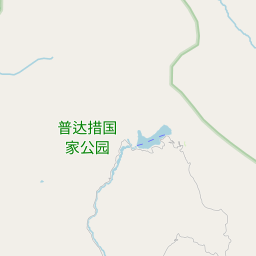


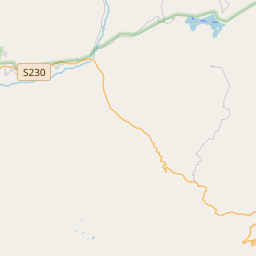


Waterfall height
Plan your visit to Niru Seven Colour Waterfall
Please verify on the official website before you go
Why is Niru Seven Colour Waterfall famous?
Niru Seven Colour Waterfall is known for its mineral-rich waters that create rainbow-like color effects on the rocks, and for its location in the pristine, rarely-visited Niru Valley—one of Shangri-La's last untouched Tibetan pastoral regions. The area represents traditional Tibetan culture and ecology before mass tourism.
Can you swim at Niru Seven Colour Waterfall?
Unknown — please check the official website. Swimming policies in remote Tibetan plateau areas are often not formally documented. Please verify on the official website before you go.
Are dogs allowed at Niru Seven Colour Waterfall?
Unknown — please check the official website. Pet policies for this remote area are not publicly documented. Please verify on the official website before you go.
Is Niru Seven Colour Waterfall free? Do you need a permit?
Please check the official website. The Niru area is part of a protected zone in Shangri-La County; access policies and fees are not clearly documented in English-language sources. Please verify on the official website before you go.
Is there parking at Niru Seven Colour Waterfall?
Please check the official website for parking details. The Niru area is remote and access typically involves local guides or tours; parking arrangements are not well documented in English sources. Please verify on the official website before you go.
How long is the hike to Niru Seven Colour Waterfall?
Trail length not verified — please check the official website. The waterfall is located in a remote valley requiring a trek from Niru Village, but exact distances vary by route. Please verify on the official website before you go.
Niru Seven Colour Waterfall hike difficulty
Moderate to Hard — the waterfall lies in a remote high-altitude valley (approximately 3,000+ meters elevation) requiring acclimatization and potentially challenging terrain. Please verify on the official website before you go.
When is the best time to visit Niru Seven Colour Waterfall?
Late spring to early autumn (May–September) for accessible trails and milder weather, though flow may be lower in late summer. Winter access is often restricted due to snow. Please verify on the official website before you go.
Attractions near Niru Seven Colour Waterfall
- •Niru Village - Traditional Tibetan village and gateway to the Seven Colour Waterfall area
- •Shudu Lake (Bitahai) - Alpine lake within Pudacuo National Park, scenic hiking destination
- •Shangri-La Old Town - Historic Tibetan town with monasteries and traditional architecture
Safety information
Waterfalls can be unforgiving. Read these before you go — and please, use your judgement on the day.
Full safety guide →Questions & answers
No questions yet — be the first to ask.