Fulufjället National Park, located in the southern part of the Scandinavian Mountains in Sweden, is a largely untouched natural area. The park is home to one of Sweden’s tallest waterfalls—Njupeskär Waterfall, with a drop of 93 metres—as well as one of the world’s oldest trees, the spruce known as “Old Tjikko,” whose root system is thousands of years old. Getting there: From Stockholm, take an SJ InterCity train to Mora, which takes about 4 hours. Alternatively, you can take a bus, which also takes around 4 hours and is usually cheaper. From Mora, take bus 396 for about 2 hours to Särna. The next day, take bus 785 from Särna to Fulufjället Njupeskär, which takes about 30 minutes. Note: Bus 785 currently only runs two days per week, with just two round trips per day. You’ll need to catch the bus to the park around 9am, and the last return bus to Särna is around 3pm. The park is free to enter. You can pick up a map at the Naturum visitor centre at the entrance. Following the orange dashed or yellow dashed trails will lead you to the waterfall, but these routes do not pass by the oldest tree. If you want to see it, you’ll need to take the purple trail and then return to the main route. Important: Make sure you follow the orange dashed line or the trail marked with three hexagon dots. Do not follow the orange paint markings, as these belong to a different, much steeper route. On AllTrails, this route is rated as Hard. I took the wrong path myself and ended up nervously scrambling down a rocky section—definitely not recommended! Always hike within your ability. If you’re inexperienced, stick to the 2 km, 4 km, or 6 km routes. More experienced hikers can consider the 8 km or 20 km trails. You’ll likely see people carrying large backpacks, probably planning to camp in the mountains. The weather on the mountain can be quite cold, so bring appropriate outdoor clothing. There are toilets and a small café at the park entrance. Inside the park, there are small huts, but no water supply and (at least from my experience) no toilets. Särna is a very small town. For accommodation, you can choose between hostels and campsites. If hostels are fully booked, camping is a good alternative. There is a Coop supermarket in town, but it closes early, around 7pm. There’s also a petrol station where you can buy simple meals and coffee. Near Mora station, Mora Indian Cuisine offers a lunch buffet for 149 SEK, which is a great option.
Njupeskär
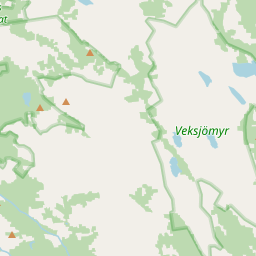
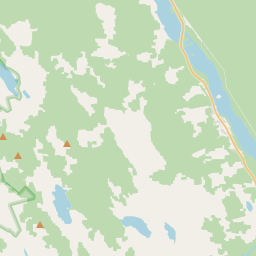


Waterfall height
Plan your visit to Njupeskär
Please verify on the official website before you go
Why is Njupeskär famous?
Njupeskär is Sweden's highest free-falling waterfall at 93 meters, making it a flagship attraction of Fulufjället National Park. The dramatic single-drop cascade through a narrow gorge and its accessible boardwalk trail have made it one of Sweden's most visited natural landmarks.
Can you swim at Njupeskär?
No. Njupeskär is a 93-meter high waterfall with no pool suitable for swimming at its base. Please verify on the official website before you go.
Are dogs allowed at Njupeskär?
Dogs allowed on-leash on trails in Fulufjället National Park. Please verify on the official website before you go.
Is Njupeskär free? Do you need a permit?
Free entry to Fulufjället National Park and Njupeskär waterfall. No permit required for day visits. Please verify on the official website before you go.
Is there parking at Njupeskär?
Parking available at Njupeskär car park near the trailhead. Parking is typically free but spaces can fill quickly in summer. From the car park it is approximately 1 km walk to the waterfall. Please verify on the official website before you go.
How long is the hike to Njupeskär?
About 2 km / 1.2 miles return from Njupeskär car park to the waterfall base. The trail is well-marked and follows a wooden boardwalk for much of the route. Please verify on the official website before you go.
Njupeskär hike difficulty
Easy. Well-maintained boardwalk trail with minimal elevation gain, suitable for families. Some rocky sections near the waterfall viewpoint. Please verify on the official website before you go.
When is the best time to visit Njupeskär?
Late spring to early autumn (May–September) for accessible trails and best flow, with peak flow in May-June from snowmelt. Winter visits possible but require preparation for snow and ice. Please verify on the official website before you go.
Route and trail notes for Njupeskär
From Njupeskär car park, follow the marked trail through forest. The path becomes a wooden boardwalk for much of the route, making it accessible. The boardwalk leads to viewing platforms at the base of the waterfall where you can observe Sweden's highest free-falling waterfall. The trail is well-signed and easy to follow.
Njupeskär official website
Attractions near Njupeskär
- •Old Tjikko – World's oldest tree (9,550 years old), located elsewhere in Fulufjället National Park
- •Göljådalen Nature Reserve – Adjacent reserve with pristine forests and wildlife viewing
- •Särna – Nearest village with services, about 35 km from the park entrance
- •Fulufjället plateau – High mountain plateau with hiking trails and panoramic views
Safety information
Waterfalls can be unforgiving. Read these before you go — and please, use your judgement on the day.
Full safety guide →Questions & answers
No questions yet — be the first to ask.