Pailón del Diablo (Devil's Cauldron) The Pastaza River rushes down the steep slopes of the Andes Mountains before meeting the edge of the Amazon rainforest. It is forced through a narrow gorge that concentrates the river's power like a fire hose. The roaring torrent then plunges over the cliff into a giant 200-foot cauldron-shaped pool below. Agoyán, better known as **Pailón del Diablo (Devil's Cauldron), is Ecuador's tallest and most famous waterfall. It is also the highlight of the **Ruta de las Cascadas (Waterfall Route), a popular route near the mountain town of **Baños de Agua Santa**, famous for its waterfalls and hot springs. Even during the dry season, the waterfall is already spectacular. During the rainy season, it's even more breathtaking. The famous Devil's Cauldron has two separate trails that are not connected. Admission for each trail is US$3. After navigating to the parking area, someone will usually direct you to the short route. The long route requires a longer walk, but it lets you go behind the waterfall, making it well worth the extra effort.
Pailón del Diablo
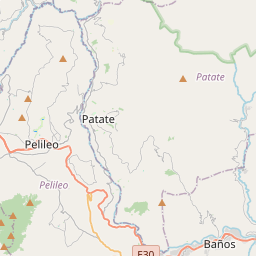
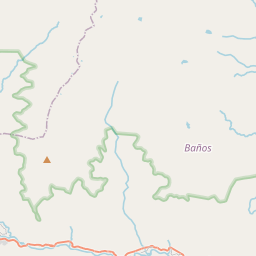


Waterfall height
Plan your visit to Pailón del Diablo
Please verify on the official website before you go
Why is Pailón del Diablo famous?
Pailón del Diablo (Devil's Cauldron) is one of Ecuador's most spectacular waterfalls, famous for its dramatic 80-meter cascade into a narrow rocky gorge and the unique experience of walking behind the thundering falls through tunnels and platforms. The name comes from the powerful roar and mist that rises from the cauldron-like pool below, creating an imposing, otherworldly atmosphere.
Can you swim at Pailón del Diablo?
No. The waterfall is primarily a viewing attraction with viewing platforms; swimming is not permitted in the main pool. Please verify on the official website before you go.
Are dogs allowed at Pailón del Diablo?
Unknown — please check with local guides or tour operators as policies may vary. Please verify on the official website before you go.
Is Pailón del Diablo free? Do you need a permit?
Entry fee of approximately $2-3 USD per person (fees may change frequently). No permit required beyond the entrance fee. Please verify on the official website before you go.
Is there parking at Pailón del Diablo?
Parking is available near the entrance to the waterfall trail, typically with a small fee (around $1-2 USD). From parking, it is a short walk to the trail entrance. Please verify on the official website before you go.
How long is the hike to Pailón del Diablo?
About 1-2 km return from the entrance, involving steep stairs and pathways down to multiple viewing platforms at different levels of the waterfall. Please verify on the official website before you go.
Pailón del Diablo hike difficulty
Moderate. The trail includes steep metal staircases, narrow passages, slippery steps, and some sections through tunnels behind the waterfall, requiring reasonable fitness. Please verify on the official website before you go.
When is the best time to visit Pailón del Diablo?
Year-round, though June to September (dry season) offers easier trail access and better visibility, while December to May (rainy season) brings higher water volume and more dramatic flow. Please verify on the official website before you go.
Route and trail notes for Pailón del Diablo
From the entrance, descend via a series of steep staircases and platforms. The trail takes you to multiple viewpoints including one behind the waterfall itself through a narrow tunnel passage. Follow the marked path down, passing several viewing platforms at different heights. The trail can be slippery, especially near the base where mist creates wet conditions. Return via the same route, climbing back up the stairs.
Attractions near Pailón del Diablo
- •Baños de Agua Santa - thermal spa town with hot springs and adventure activities (5 km)
- •Casa del Árbol - swing at the edge of the world with views of Tungurahua volcano (8 km)
- •Ruta de las Cascadas - waterfall route with numerous falls including Manto de la Novia
- •Tungurahua Volcano - active stratovolcano visible from Baños and surrounding areas
- •Puente San Francisco - suspension bridge over Pastaza River canyon near the waterfall
Safety information
Waterfalls can be unforgiving. Read these before you go — and please, use your judgement on the day.
Full safety guide →Questions & answers
No questions yet — be the first to ask.