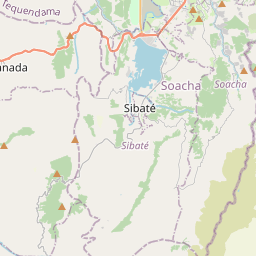
We swung by Salto del Tequendama on the way back into Bogotá after a day trip further south. It was foggy that afternoon, thick enough that the falls kept disappearing and reappearing through the mist. Even half-hidden, it was beautiful, and it made me want to come back on a clearer day just to see the whole drop at once. What Salto del Tequendama Actually Is Tequendama Falls sits on the Bogotá River in the municipality of Soacha, about 32km southwest of the capital. The water drops 132 metres — roughly 433 feet, or a 40-storey building — off a rocky ledge into a narrow gorge. It's one of the tallest waterfalls in Colombia and, for a long stretch of the 20th century, it was the day trip every Bogotano knew about. That's changed. These days a lot of visitors to Bogotá never hear about it at all, and even locals sometimes forget it's there. Which is a shame, because on a clear day the view from the lookout above the gorge is genuinely dramatic. One odd detail worth knowing before you go: the falls tend to run dry in December, so if you're planning a trip around then, temper your expectations. Why the Water Doesn't Look Great I'll be honest about this part, because most articles gloss over it. The Bogotá River is badly polluted — it's often cited as one of the most contaminated rivers in the world, carrying a lot of the city's untreated waste downstream before it reaches the falls. You'll notice foam and discoloration in the water, especially where the road runs close to the river before the drop. It doesn't ruin the view, but it does explain why swimming here has never really been an option, plunge pool or not. The Legend Behind the Name The name Tequendama comes from Chibcha, the language of the Muisca people who lived on the Bogotá savanna long before the Spanish arrived. It translates roughly to "he who plunges downward." According to Muisca belief, the savanna was once a lake, and the god Bochica split the rock open with his staff to drain the water and create the falls, which is what made the land livable and farmable in the first place. The Hotel That's Now a Museum Right above the falls sits a five-storey building that used to be the Hotel del Salto — originally built between 1923 and 1928 as a train station with attached hotel, meant to connect wealthy Bogotanos to the falls in style. It stayed open until the river's pollution got bad enough, sometime around the early 1990s, that the hotel closed for good and sat empty for two decades. It's since been restored and reopened as Casa Museo del Salto del Tequendama, focused on the river's ecology and the pollution problem rather than glossing over it. It only opens on weekends and holiday Mondays, so check before you build your day around it. Getting There If you're staying in Bogotá, this is an easy half-day trip on its own, or an add-on if you're already heading toward Soacha or further south, the way we were. By car, it's about 45 minutes to an hour from the city along the southern highway, through Soacha and toward the village of El Charquito. If you'd rather skip driving, you can take the Transmilenio to San Mateo station and then a local bus signed for "Charquito – Salto de Tequendama," though budget closer to 90 minutes each way. There's no official entrance fee to view the falls from the main lookout points, and you can't hike down into the gorge or reach the base — the canyon walls are close to vertical, which is part of why it still feels a bit wild despite being so close to a capital city of eight million people. Tips for Visiting Pack a jacket even if Bogotá feels warm that day — the spray and the elevation make it colder right at the falls than you'd expect. And don't let fog put you off going. Ours never really lifted, and it was still worth it, though if you want that classic unbroken shot of the whole drop, a clear morning is your best bet, and weekday mornings especially, since weekends with good weather turn the roadside parking into a bit of a scramble. If the old hotel-turned-museum is part of the draw for you, plan around its hours — it's only open weekends and holiday Mondays, so a random Tuesday gets you the falls but not the building. And skip December if you actually want to see water falling; that's when the river tends to run dry. Most people don't build a whole day around this one. It's a quick stop, best tacked onto something else you're already doing south of the city — which is exactly how we ended up here in the first place.
Salto del Tequendama
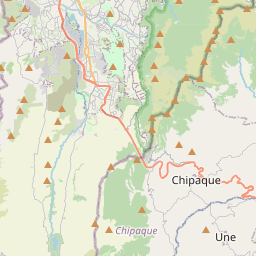


Waterfall height
Plan your visit to Salto del Tequendama
Please verify on the official website before you go
Why is Salto del Tequendama famous?
Salto del Tequendama is one of Colombia's most iconic natural landmarks, plunging 132 meters into the Bogotá River canyon. It holds deep cultural significance in Muisca indigenous legend and is housed within a historic 1920s mansion (now the Museo del Tequendama) that once served as a hotel, making it a blend of natural wonder, indigenous mythology, and Colombian architectural history.
Can you swim at Salto del Tequendama?
No. Swimming is not permitted at Salto del Tequendama; it is a viewing site with a museum and observation platforms. Please verify on the official website before you go.
Are dogs allowed at Salto del Tequendama?
Unknown — please check the official website. The site is managed as a museum and park area. Please verify on the official website before you go.
Is Salto del Tequendama free? Do you need a permit?
Entry fee applies for the Museo del Tequendama and access to the waterfall viewpoints; fees are subject to change. Please check the official website for current pricing. Please verify on the official website before you go.
Is there parking at Salto del Tequendama?
There is parking available at the Museo del Tequendama site adjacent to the waterfall viewpoints. The museum and viewing areas are directly accessible from the parking area with minimal walking required. Please verify on the official website before you go.
How long is the hike to Salto del Tequendama?
Roadside access — no hike required. The waterfall is viewed from the museum building and observation platforms directly accessible from the parking area. Please verify on the official website before you go.
Salto del Tequendama hike difficulty
Roadside (no hike). The site features paved walkways and observation decks at the historic mansion-museum overlooking the falls, suitable for all ages. Please verify on the official website before you go.
When is the best time to visit Salto del Tequendama?
April to May or October to November for higher water flow during Colombia's rainy seasons, offering more dramatic views. The dry season (December–March) has less water volume but clearer skies. Please verify on the official website before you go.
Salto del Tequendama official website
Attractions near Salto del Tequendama
- •Museo del Tequendama (Casa Museo del Salto) — historic mansion turned museum at the waterfall site
- •Bogotá — Colombia's capital city, approximately 30 km northeast with museums, historic districts, and dining
- •Parque Natural Chicaque — cloud forest reserve about 20 km south with hiking trails and biodiversity
- •Laguna del Cacique Guatavita — sacred Muisca lake and archaeological site, about 90 km north
- •Zipaquirá Salt Cathedral — underground church carved in salt mine, approximately 60 km north
Safety information
Waterfalls can be unforgiving. Read these before you go — and please, use your judgement on the day.
Full safety guide →Questions & answers
No questions yet — be the first to ask.