We set off from Genova early, before it was properly light, and by the time we hit the mountains it was snowing hard enough that the wipers couldn't quite keep up. That's the drive to Cogne in winter, really — you leave the coast behind and within a couple of hours you're somewhere else entirely, climbing through switchbacks with everything turning white around you. Cogne itself is small. A church, a cluster of hotels, a few shops that all seem to sell the same wool socks. We didn't linger there on the way in, because Lillaz was the plan, a few kilometres further up the valley, and that's where the ice actually is. The Drive In, and Why It's Slower Than the Map Says Google will tell you Genova to Cogne is somewhere around two and a half hours. That's true on a dry day. It was not a dry day. Snow on the passes slows everything down, and by the time we parked near Lillaz, we'd been on the road closer to three hours, most of it in near-silence because there's something about driving through falling snow in the Alps that makes you stop talking. If you're coming from Milan instead, it's a shorter run, more like two hours fifteen in good conditions, off the A5 near Aymavilles and then up the valley road. Either way, budget more time than the estimate gives you once winter weather is involved, and don't drive it if there's a serious storm forecast. The roads up here are narrow, and they close. Walking Up to the Falls From the car park at Lillaz, the walk in is short, just a few minutes before the first waterfall comes into view. And it really does stop you. Three tiers of ice, hanging over the gorge, catching this pale blue light in places where it's thickest. It doesn't look like something that happened gradually. It looks like someone paused the waterfall mid-fall. The path itself is meant to be an easy one, and on a dry day I imagine it is. That day, fresh snow had turned a lot of it to ice underneath, and what should've been a relaxed walk needed real concentration in places. We didn't have crampons or microspikes, and once the ground turned properly icy, we made the call to stop at the main viewpoint rather than push further up. It was the right call. We watched a few people carry on past us in ordinary trainers, sliding most of the way, for what looked like maybe an extra ten metres of view. Not worth it. Plenty of people around us did have proper gear, spikes strapped to their boots, and kept climbing further up the trail toward the upper tiers. If you want the full route, past all three levels, it's roughly four hours round trip and rated easy to moderate. The lower waterfall alone is closer to thirty minutes there and back, and honestly, that's enough to get the full effect if the conditions aren't cooperating. Watching People Climb the Ice What we hadn't expected was the climbing. Right there on the lower tier, a handful of climbers were working their way up the frozen wall, axes in, ropes swinging, completely unbothered by the crowd of us standing below with phones out. Lillaz turns out to be one of the most climbed icefalls in Italy, with routes across its tiers running from fairly gentle up to genuinely hard, and because the walk in is so short, it draws everyone from total beginners on a first lesson to climbers who clearly do this a lot. A few local guides run introductory sessions right there, no experience needed, if that's something you'd want to try rather than just watch. We didn't, but standing close enough to hear the ice crack under someone's crampon was enough of an experience on its own. It has a bit of a live-action Frozen quality to it, ice walls, the roar of water still moving somewhere underneath, everyone bundled up against the cold. What It's Actually Like Weather-Wise Winter around Cogne sits close to -10°C on a normal day, and it can be colder on a clear night, so this isn't a place you can get away with underdressing. We had waterproof, insulated layers, proper gloves, and winter boots, and were still cold standing still at the viewpoint for photos. Sunglasses helped more than expected too, the glare off the snow is stronger than you'd think. December through February is the window if you want the falls fully frozen. Go outside that and you risk catching it half-melted, which still has its own kind of nice, but it's not the version you've probably seen in photos. Getting There Without a Car If you're not driving, it's doable but slower. Train from Milan to Aosta, then a local bus up into Cogne, then a short shuttle or taxi on to Lillaz. Depending on your connections, that's somewhere around four to six hours door to door, so it's not really a spontaneous day trip unless you're already staying somewhere in the valley. Where We'd Suggest Staying Cogne is the obvious base. It's small enough to walk everywhere, has a decent spread of guesthouses and hotels, and puts you five or ten minutes from Lillaz by car. Book ahead if you're going in peak winter. Once word gets around that the falls are frozen, rooms go fast. A Couple of Things We'd Do Differently We'd bring microspikes next time, even for the shorter walk, just to have the option of going further without the slipping. We'd also check the mountain forecast the night before rather than the morning of, since by the time we were on the road it was too late to change plans if conditions had looked worse. Otherwise, honestly, we wouldn't change much. The drive up through the snow, the walk to the falls, watching someone climb a frozen waterfall like it was completely ordinary — it's the kind of day that's hard to plan around and easy to remember afterward. If you're building out a winter Alps trip, it earns its spot on the list.
Cascata di Lillaz
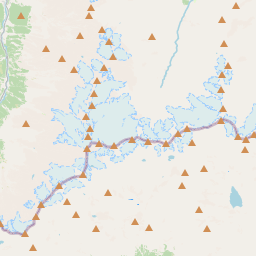
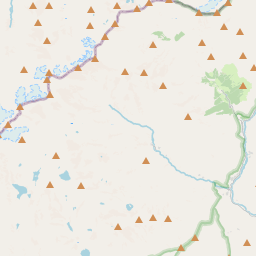


Waterfall height
Plan your visit to Cascata di Lillaz
Please verify on the official website before you go
Why is Cascata di Lillaz famous?
Cascata di Lillaz is renowned as one of the most spectacular waterfalls in the Aosta Valley, famous for its three dramatic tiers plunging a total of 150 meters through a narrow gorge. In winter, ice climbers are drawn to the frozen cascade, which becomes a popular ice-climbing destination.
Can you swim at Cascata di Lillaz?
No. The waterfall is a cascading torrent over rocky terrain; no safe swimming areas. Please verify on the official website before you go.
Are dogs allowed at Cascata di Lillaz?
Dogs are allowed on-leash on the trails in Gran Paradiso National Park. Please verify on the official website before you go.
Is Cascata di Lillaz free? Do you need a permit?
Free. Gran Paradiso National Park has no entry fee. Please verify on the official website before you go.
Is there parking at Cascata di Lillaz?
Free parking is available in the hamlet of Lillaz, a short walk from the waterfall viewing areas. Spaces can fill quickly in summer. Please verify on the official website before you go.
How long is the hike to Cascata di Lillaz?
About 1.5 km / 0.9 mi loop trail from Lillaz village parking, taking roughly 30–45 minutes round trip. Please verify on the official website before you go.
Cascata di Lillaz hike difficulty
Easy. Well-maintained path with gentle elevation gain, suitable for families. Some uneven surfaces and steps near viewing platforms. Please verify on the official website before you go.
When is the best time to visit Cascata di Lillaz?
Late spring to early summer (May–July) for maximum water flow from snowmelt, when the three tiers are most dramatic. Autumn offers fewer crowds and colorful foliage. Please verify on the official website before you go.
Route and trail notes for Cascata di Lillaz
From the parking area in Lillaz hamlet, follow the marked trail that leads through forest toward the sound of the falls. The path splits into a loop with viewpoints at different levels offering perspectives of all three cascading tiers. Wooden platforms and bridges provide safe viewing areas at the base and mid-level of the falls.
Cascata di Lillaz official website
Attractions near Cascata di Lillaz
- •Gran Paradiso National Park — Alpine wilderness with ibex, chamois, and hiking trails
- •Cogne village — charming Alpine town with traditional lace-making and mountain views
- •Valnontey valley — scenic glacial valley with wildlife viewing and trails to waterfalls
- •Arpisson waterfall — another impressive cascade accessible via trail from Valnontey
- •Aosta — historic Roman city with ancient ruins, about 30 km away
Safety information
Waterfalls can be unforgiving. Read these before you go — and please, use your judgement on the day.
Full safety guide →Questions & answers
No questions yet — be the first to ask.