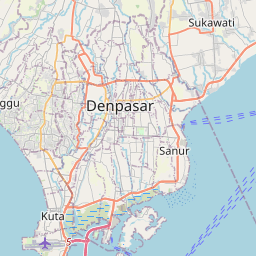
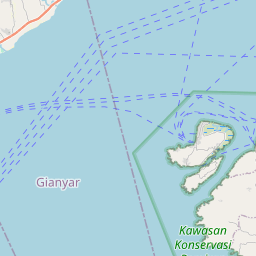
You can skip the Tegalalang rice terraces in Ubud. Nobody will judge you. But skip Kanto Lampo and you'll be doing yourself a disservice, because this is the waterfall that keeps showing up on everyone's Bali feed for a reason. I went in expecting a nice photo op and a quick dip. What I got was a two-hour queue, a phone that stopped working for half an hour, a power bank that never worked again, and honestly, one of the best five minutes of my whole trip. That's Kanto Lampo in a nutshell. It's stunning. It's also a bit of a mess, in the best possible way. Here's everything I wish someone had told me before I went. Where It Is and Why Everyone's There Kanto Lampo sits in Beng Village, in the Gianyar Regency, about a 20 to 30 minute drive from central Ubud. It's not hard to find and you don't need to book a tour to get there. A scooter, a private driver, or even a Grab from Ubud will do the job. What makes it different from the dozens of other waterfalls scattered across Bali is the rock formation. The water doesn't just fall from a cliff into a pool. It cascades down wide, layered volcanic steps, almost like a staircase built for giants, and that's exactly why it photographs so well. Stand in the right spot and the water looks like it's pouring straight over you in slow motion. That's also exactly why there's a queue. The Queue Is Real, and It's Long I'm not going to sugarcoat this part. When I arrived, there was already a long line of people waiting to take turns standing directly under the main flow of water. Europeans, Americans, other Chinese tourists, everyone patiently shuffling forward for their two minutes in the spotlight. Some people told me they waited close to two hours. I got there around 3:30pm and by the time it was my turn, the sun was already going down and the local photographer had clocked off for the day, so a fellow tourist and I ended up taking photos of each other instead. They didn't turn out great. Lesson learned: go earlier than you think you need to. If you want that classic center-of-the-waterfall shot, plan for at least 45 minutes to two hours of waiting, depending on the season and time of day. Weekends and Indonesian public holidays are worse. There's also a second option, and it's the one I'd actually recommend if queuing isn't your thing. The stream running down from the falls is shallow in most places, barely ankle deep. Walk a little further along and you'll find flat rocks off to the side where you can sit or stand without fighting for a spot. It's not the iconic shot everyone posts, but the light is just as good, the water is just as clear, and you get to actually enjoy the place instead of performing for a queue behind you. My husband and I ended up here almost by accident and it turned out to be my favourite part of the whole visit. Book a Local Photographer, It's Worth It At the base of the waterfall, you'll usually find local guides, mostly Balinese men, offering to take your photos for a tip. Take them up on it. They know the angles, they know when to catch the water mid-splash, and they'll run you through eight or nine different poses plus a short video clip without you having to think about it. A tip somewhere in the range of 20,000 to 50,000 IDR is standard and honestly well earned. Just know that if you show up late in the day like I did, they may have already finished for the shift. Yes, the Rocks Are Genuinely Slippery If there's one thing every single person who's been to Kanto Lampo agrees on, it's this: the rocks are slippery. Not "be a little careful" slippery. Properly, unpredictably slippery, especially the smooth volcanic stone right where everyone's standing for photos. Wear proper water shoes or grippy sandals. Flip flops or thong sandals are a genuinely bad idea here, and I watched more than one person nearly go down trying to pose in them. If the water is flowing hard and you're struggling to keep your footing, just sit down on the rock instead of standing. Nobody's judging, and it makes for a great photo anyway. The pool at the base is also lined with pebbles that dig into bare feet, so if you're planning to wade around rather than just stand for photos, keep those water shoes on the whole time. Protect Your Phone Before You Regret It The spray from the waterfall gets everywhere, and it gets there fast. I had my phone in my hand for photos and it took on water within minutes. It stopped working for a good half hour before it came back to life. My power bank wasn't so lucky. It never turned on again. Bring a proper waterproof pouch or dry bag, not just a plastic sandwich bag, and don't hold your phone loosely while you're near the main flow. If you want video or photos while you're actually under the water, hand your phone to the local photographer rather than trying to hold it yourself. When to Go for the Best Light and the Smallest Crowd This is where I'll give you two slightly different pieces of advice, because both are true depending on what you're optimizing for. If your priority is avoiding people, go early, ideally before 9am when the site opens. You'll have a much shorter wait and cooler air for the walk down. If your priority is the photo, late morning tends to work best. Somewhere around 11am to 1pm, the sun sits high enough to actually light up the waterfall itself rather than leaving it in shadow, which makes a real difference in photos. The trade-off is more people wanting the same shot at the same time, so pack a bit of patience along with your sunscreen. Either way, avoid going right before closing. Once the light starts to fade, the whole place gets a lot less photogenic, and the photographers tend to head home. What to Actually Bring Water shoes or non-slip sandals (do not wear flip flops) A waterproof pouch or dry bag for your phone A bright swimsuit or clothing if you want to stand out against the dark volcanic rock in photos A full change of clothes, because you will get wet, whether you plan to swim or not Small cash in Indonesian Rupiah, since it's cash only at the entrance and for tipping photographers A light umbrella or rain jacket if you're planning to wait around near the spray for a while, since it gets cold after a bit The Practical Details Location: Beng Village, Gianyar Regency, about 20–30 minutes from central Ubud Entrance fee: Around IDR 20,000–25,000 per person, cash only Opening hours: Roughly 6am to 6pm daily, though this can flex depending on staff and season Getting there: Scooter, private driver, or ride-hailing app from Ubud; there's a short walk down a flight of stone steps (around 70–100 steps) from the parking area to the waterfall Swimming: Yes, in the shallow pool at the base, though currents can pick up during the rainy season, so use your judgement Facilities: Basic changing rooms, toilets, lockers, and a small food court near the entrance Is Kanto Lampo Worth the Queue? Honestly, yes. Even with the wait, the wet phone, and the dead power bank, I'd go back. There's something about standing in that much falling water, surrounded by jungle, that makes the whole two hours feel worth it in retrospect. Just go in with realistic expectations, protect your electronics, wear the right shoes, and don't be afraid to skip the queue entirely and find your own quiet corner of the stream instead. Sometimes that ends up being the better photo anyway. Quick Answers How long is the wait at Kanto Lampo Waterfall? Anywhere from 30 minutes to two hours for the main photo spot, depending on time of day and season. Early morning tends to be quickest. Is Kanto Lampo Waterfall safe for swimming? The shallow pool at the base is generally fine for wading and swimming, but the rocks are very slippery and currents strengthen during the rainy season, so wear water shoes and stay cautious. Do I need to book a tour to visit Kanto Lampo? No. You can drive yourself by scooter, hire a private driver for the day, or take a ride-hailing app from Ubud. Tours are available too, but they're not necessary. How much does it cost to enter Kanto Lampo Waterfall? Roughly IDR 20,000 to 25,000 per person, payable in cash at the entrance. Budget a bit extra for parking and a tip if you use a local photographer.
Kanto Lampo Waterfall


Waterfall height
Plan your visit to Kanto Lampo Waterfall
Please verify on the official website before you go
Why is Kanto Lampo Waterfall famous?
Kanto Lampo is famous for its unique tiered rock formations that create multiple cascading streams, making it highly photogenic and popular on Instagram. The shallow pools and accessible ledges allow visitors to pose directly in and around the flowing water, contributing to its rise as one of Bali's most photographed waterfalls.
Can you swim at Kanto Lampo Waterfall?
Yes — swimming and wading are popular activities at the base of the waterfall and in the pools. Please verify on the official website before you go.
Are dogs allowed at Kanto Lampo Waterfall?
Unknown — please check with local site management or your guide before bringing pets. Please verify on the official website before you go.
Is Kanto Lampo Waterfall free? Do you need a permit?
Entry fee typically 15,000–20,000 IDR per person (approximately 1–1.50 USD); parking may be additional. Cash payment expected. Please verify on the official website before you go.
Is there parking at Kanto Lampo Waterfall?
Parking is available near the entrance with a small parking fee (usually included with or separate from entry fee). The walk from the parking area to the waterfall is short, approximately 5 minutes down stairs and a path. Please verify on the official website before you go.
How long is the hike to Kanto Lampo Waterfall?
Very short walk of approximately 100–200 meters from the parking area, descending stairs and a paved/stepped path to the waterfall base. Please verify on the official website before you go.
Kanto Lampo Waterfall hike difficulty
Easy — short descent on steps and paved path, though rocks near the waterfall can be slippery when wet. Minimal elevation change. Please verify on the official website before you go.
When is the best time to visit Kanto Lampo Waterfall?
April to October (dry season) for safer access and clearer water, though the waterfall flows year-round. Wet season (Nov–Mar) brings heavier flow but slippery rocks. Please verify on the official website before you go.
Route and trail notes for Kanto Lampo Waterfall
From the parking area, descend the staircase and follow the short paved path through the entrance gate. The path leads directly to the waterfall base where tiered rock ledges allow you to walk up close to the cascading water. The rocks can be very slippery, so wear appropriate footwear with good grip. Local sarong rental is often available if needed for temple etiquette in the area.
Attractions near Kanto Lampo Waterfall
- •Tegenungan Waterfall — popular tiered waterfall about 10 km southwest with viewing platforms
- •Goa Gajah (Elephant Cave) — 11th-century archaeological site and Hindu temple complex nearby
- •Ubud town center — cultural hub with art markets, rice terraces, and monkey forest, 15 km north
- •Tibumana Waterfall — smaller, quieter waterfall about 5 km northeast with natural pools
- •Tukad Cepung Waterfall — unique cave waterfall with light beams, roughly 12 km northeast
Safety information
Waterfalls can be unforgiving. Read these before you go — and please, use your judgement on the day.
Full safety guide →Questions & answers
No questions yet — be the first to ask.
More to explore nearby
Sekumpul Falls
North Bali, Bali
Bali's most spectacular set of seven waterfalls.
Tegenungan Waterfall
Ubud, Bali
Popular Ubud-area lowland waterfall.
Aling Aling Waterfall
Buleleng Regency, Bali
We were based near Seminyak and Kuta, which meant the dolphin tour out of Lovina was already a stretch, up at three or four in the morning,…
Banyumala Waterfall
Buleleng, Bali
Most people build their Bali itinerary around Ubud and the south coast, and then maybe squeeze in a day trip north if there's time.